
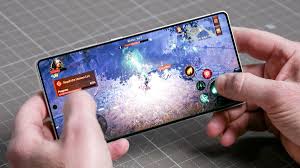
In recent years, mobile games and social media have become central aspects of our daily lives. From quick gaming sessions to scrolling through endless feeds, these digital platforms provide entertainment, connection, and often, distraction. But, when it comes to addiction, which is more likely to hook users – mobile games or social media? Are mobile games as addictive as social media, or is there a key difference between the two?
In this article, we’ll explore the addictive qualities of both mobile games and social media, and how they impact our behavior, attention, and mental health. By understanding how these platforms work, we can make better-informed choices about our digital habits.
Understanding Addiction: What Does It Mean in the Digital Age?
Before diving into the specifics of mobile games and social media, it’s important to understand what “addiction” means in the context of modern technology. Addiction is typically defined as a compulsive need to engage in a behavior despite negative consequences. In the digital realm, addiction can manifest in various ways:
- Time spent: Spending excessive hours on mobile games or social media apps.
- Psychological dependence: Feeling anxious, restless, or irritable when unable to use an app.
- Negative impact on daily life: Disruption in daily activities such as work, school, or relationships.
- Escapism: Using mobile games or social media to avoid real-world issues.
Both mobile games and social media platforms have characteristics that can potentially lead to these addictive behaviors. Let’s explore each in detail.
Mobile Games: The Psychology Behind the Addiction
Instant Gratification
Mobile games are designed to be fun, rewarding, and engaging, often offering quick wins and positive reinforcement that triggers dopamine release in the brain. This immediate sense of satisfaction can make playing mobile games hard to resist. Whether it’s completing a level, collecting in-game rewards, or unlocking new content, the excitement of achieving something in a game feeds the brain’s desire for instant gratification.
Many mobile games are free to play, but they incorporate microtransactions (in-app purchases) that encourage players to spend money to speed up their progress or unlock exclusive features. This adds another layer of engagement, as players feel incentivized to keep playing in order to maximize their investments.
Progression and Rewards
One of the most addictive aspects of mobile games is the progression system. Games use levels, points, and rewards to create a sense of achievement. This structure plays on the brain’s natural tendency to seek out rewards and rewards systems that create motivation. The more a player progresses, the more they are encouraged to keep playing, not just to achieve personal success but to stay competitive or complete challenges.
For example, mobile games like Candy Crush, Clash of Clans, and Fortnite use progression systems to keep players invested in their games. These systems are often coupled with daily challenges or limited-time events that encourage players to log in regularly.
Social Features: Competing with Friends
Many mobile games also include social components, like leaderboards, multiplayer modes, and direct competition with friends. This adds a social dimension to the experience, making it even more engaging. Competing against others, whether it’s friends or strangers, can tap into a person’s desire to be the best or be recognized within a community, further reinforcing the need to keep playing.
The Fear of Missing Out (FOMO)
Some mobile games offer limited-time events or rewards, which tap into a player’s fear of missing out (FOMO). This creates a sense of urgency to keep playing, as players feel they need to act quickly to secure rewards or unlock time-sensitive content. FOMO has become a major driving force behind many people’s gaming habits, pushing them to continue playing longer than they might have originally planned.
Social Media: The Power of Connection and Validation
The Infinite Scroll
The addictive nature of social media lies in its ability to keep users hooked with endless content. Most social media platforms like Facebook, Instagram, Twitter, and TikTok feature an “infinite scroll,” meaning that new posts and updates continuously load as you scroll down the page. This design encourages users to stay engaged longer, as there is always something new to discover. The brain can easily get hooked on this constant stream of information, making it difficult to stop scrolling.
Social Validation
Humans are naturally social creatures, and social media capitalizes on our desire for validation and recognition. Likes, comments, shares, and followers provide immediate feedback and reinforce the need to post, share, and engage. This feedback loop can release dopamine, making users feel good when they receive positive reactions to their posts.
However, this can also lead to unhealthy dependency, as users may start comparing themselves to others, seeking more validation, and feeling anxious when they don’t get the attention they expect. This cycle can lead to an unhealthy preoccupation with one’s online presence and mental health struggles such as low self-esteem, anxiety, or depression.
Fear of Missing Out (FOMO)
Just like with mobile games, social media can also trigger FOMO. Users may feel pressured to stay constantly connected to avoid missing out on important events, updates, or social trends. This can lead to compulsive checking of social media platforms, even when there’s no real reason to do so. Social media feeds into the desire to stay in-the-know, keeping users engaged by offering constant updates, notifications, and breaking news.
Social Comparisons
Social media platforms encourage social comparisons, where users measure their lives, looks, or accomplishments against those of others. This comparison can become unhealthy, especially when people are exposed to carefully curated, idealized representations of others’ lives. While some use social media for inspiration or entertainment, many users fall into the trap of feeling inadequate, which can keep them returning for more engagement and validation.
Comparing the Addictiveness of Mobile Games and Social Media
Both mobile games and social media share several features that contribute to their addictive nature:
- Instant Gratification: Both offer immediate rewards or stimulation that reinforces engagement.
- Social Comparison: Both platforms encourage social interactions, either through competition in games or validation on social media.
- FOMO: Both trigger a fear of missing out, driving users to spend more time on these platforms.
- Dopamine Release: Both offer rewards (like achievements or likes) that trigger the brain’s pleasure centers.
However, there are key differences:
- Active vs. Passive Engagement: Mobile games tend to require more active engagement and participation, as players are directly involved in the gameplay. In contrast, social media is often more passive, with users scrolling, liking, and commenting without much direct interaction.
- Time Spent: Social media apps can be used for brief moments, making it easier for users to fall into the trap of mindlessly scrolling for long periods of time. Mobile games, on the other hand, often require users to dedicate more time to complete tasks, making it easier to track how long they’ve been playing.
- Purpose: Mobile games are primarily designed for entertainment and fun, while social media is meant to connect people, share content, and stay informed. The social aspect of media platforms can make them more addictive to certain users, especially if they rely heavily on online validation or keeping up with trends.
Mental Health Impact
Mobile Games
The mental health impact of mobile games is still being researched, but there are concerns about excessive gaming leading to anxiety, depression, and gaming addiction. Some players may neglect their relationships, education, or work commitments in favor of gaming. Additionally, the monetization models in free-to-play games can lead to financial stress for some users.
Social Media
The mental health impact of social media is more widely documented. Studies show that excessive use of social media can contribute to depression, anxiety, and lower self-esteem, especially among teenagers and young adults. Constant exposure to idealized images, social comparison, and the pressure to maintain a perfect online persona can be emotionally draining.
Conclusion: Which is More Addictive?
Both mobile games and social media are addictive in their own ways, utilizing psychological triggers like instant gratification, social validation, and fear of missing out. The level of addiction may depend on individual preferences and usage patterns. Some users may find themselves more hooked on mobile games, while others might struggle with the constant pull of social media.
Ultimately, it’s important to maintain balance. Set healthy boundaries for screen time, be mindful of the content you consume, and ensure that you’re not sacrificing real-world relationships and responsibilities for digital entertainment.
Being aware of the addictive nature of these platforms is the first step in regaining control over your digital habits.